Craps place bets explained over a quiet arvo at the Cairns casino floor, where the dice click like a metronome and the felt looks worn from good sessions. I have spent more than a decade directing game design and live operations across iGaming and Unreal Engine cinematics, so I treat the table layout the same way I treat a performance creative: every element must earn its screen time or it gets cut. When you put a place bet on, you are not chasing a single roll of luck; you are buying a standing line on a specific number and watching the payout math do its work. That is the mindset that keeps a session calm instead of chaotic. If you want a clean place to start mapping that logic onto a browser or app, https://heapsowins100bonus.com/en-au/ walks through the registration and mobile fit step by step, which matters because a clunky sign-in flow can ruin the rhythm before the first puck moves.
How a Player Reads the Table Before Laying Chips
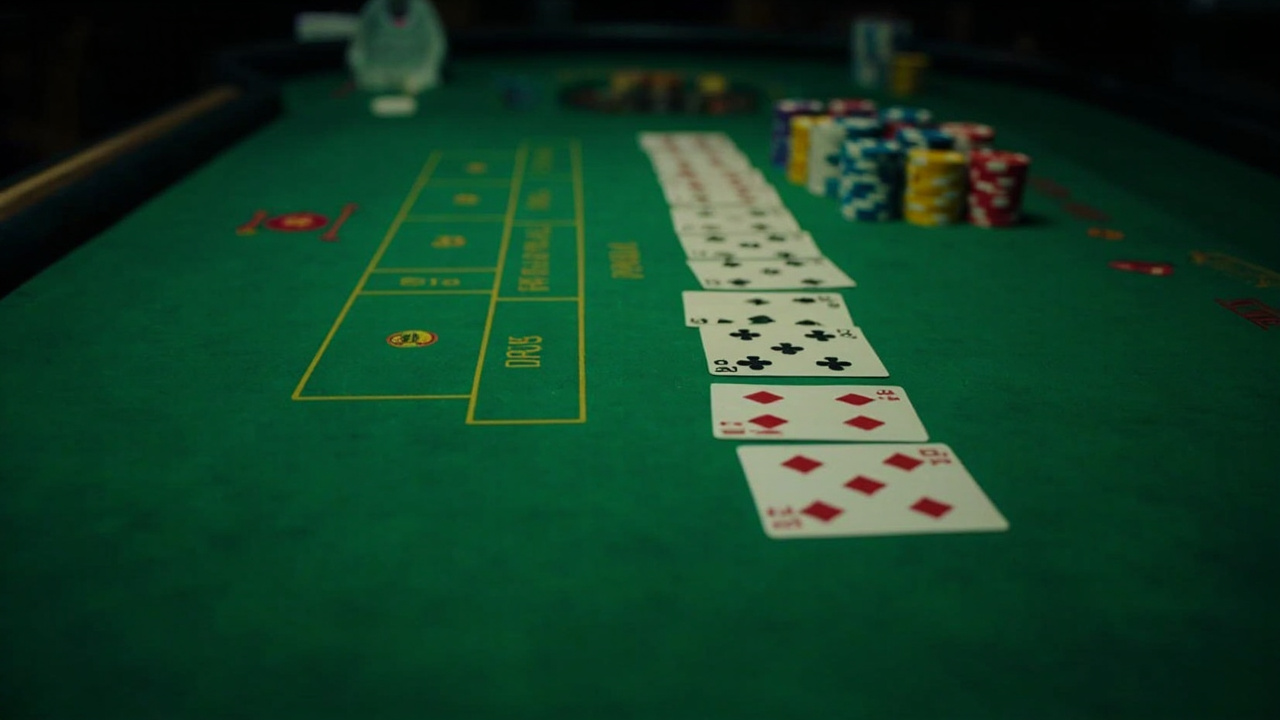
The first thing a player notices is the layout itself: the place numbers sit in their own box, separate from the pass line and the proposition bets, and that separation is deliberate. In my experience shipping live ops and cinematic sequences, the best interfaces are the ones that let the eye travel without forcing it to backtrack, and a well-built craps table does exactly that. You read the place section by scanning the numbers six, eight, five, nine, four and ten, then you decide which one you want to stand on. The puck tells you whether the round is live or off, and that little visual cue is the difference between a confident wager and a guess. A mobile build that respects that hierarchy feels natural on a phone screen, because the same eye-path logic carries over from the felt to the thumb. When a player is trying to keep their session organised, reading the table cleanly is half the work, and the rest comes down to knowing which number the payout will reward.
How to Place a Bet and Watch the Payout Math
A place bet works by putting chips on a number and waiting for that number to hit before a seven rolls, with the payout set lower than the true odds because the house keeps its edge. The rhythm is simple: you tell the dealer your number, the chips go down, and you leave them until the result lands or you ask for them back. I have run performance creative for live tables where the timing of a payout animation had to match the dealer’s call exactly, because a half-second mismatch breaks trust faster than a bad bonus term. On a digital table, that same discipline shows up in how the bet highlights, how the win pays, and how the balance updates without lag. Players who treat place bets as a standing line rather than a one-off gamble tend to manage their bankroll with more patience, which is the real skill here. The math is fixed, the pace is yours to control, and the session stays readable if you do not keep stepping in and out of the line.
Reading the Numbers: Six, Eight, Five, Nine, Four and Ten
Each place number carries its own payout and its own frequency, so the choice is less about luck and more about how often you want the number to land versus how much you take back when it does. Six and eight pay at odds that reflect their roll frequency, while four and ten sit on the other end of the table with a higher payout but a lower hit rate. I have seen game teams argue over these numbers for weeks because the balance between hit rate and payout is the same kind of tuning problem we deal with when we balance a cinematic beat or a live-ops loop. A player who wants steadier action usually leans toward the six and eight, while someone chasing a sharper swing may put a chip on the four or ten and accept the quieter stretches. The five and nine sit in the middle and can feel like a compromise if you are trying to keep the table active without overexposing yourself. The key is that every number has a personality, and reading that personality is what makes a place bet feel deliberate instead of random.
Mobile Usability and the Session Flow on a Phone
A mobile craps session has to respect the same pacing as the felt, because a phone screen that fights the player’s eye will turn a calm place bet into a fumble. The best builds keep the place box visible without forcing a zoom, let the bet highlight update instantly, and keep the navigation out of the way when the puck is live. I have shipped UE5 cinematics where the camera never got in the front of the action, and the same principle applies here: the interface should support the moment, not compete with it. A responsive table that loads quickly and keeps the bet controls reachable with one hand makes a difference when you are playing in a busy arvo or a short break between meetings. When the mobile flow is tight, the player can focus on the numbers and the payout math instead of fighting the screen, which is exactly what a place bet session needs to stay readable. If you are also comparing how a safe and legal online slot experience is presented on mobile, it helps to notice the same kind of layout discipline across different games.
When the dealer’s rhythm dictates the flow, the layout should quietly step aside so the player never loses track of the puck. A well-tuned interface treats every tap as a deliberate move, preserving the table’s natural cadence while keeping the wager stack and payout charts within easy reach. Readers who want to compare how different studios handle this balance can review the breakdown at mobile table pacing.
Where a Player Draws the Line on Pace and Bankroll
A place bet session works best when the player sets a pace before the first chip goes down, because the standing nature of the bet can quietly stretch a session if no one is watching the clock. I have sat through long live-ops runs where the team had to call the pace explicitly, and the same discipline keeps a craps table from drifting into a tired grind. A player who knows when to stand, when to take chips back, and when to step away is the one who leaves the table with the session still making sense. That is the judgement call I make as a creative lead: keep the moment readable, keep the pace honest, and do not let the layout or the app tempt you into chasing a number that has already done its work. Liam Lewis, Managing Partner at Pacific Player Protection Institute, puts it plainly: “A place bet is a standing line, not a rescue plan, and the player who treats it like one usually keeps the session under control.” That is the kind of line that sticks with you when the dice stop rolling and the arvo starts to wind down.